Wood has been one of humanity’s most trusted crafting materials for thousands of years. From simple hand-carved tools to elegant furniture and intricate decorative pieces, the success of any woodworking project depends heavily on one crucial decision: choosing the right type of wood. For beginners and experienced crafters alike, understanding wood properties can mean the difference between a project that lasts decades and one that warps, cracks, or fails prematurely.
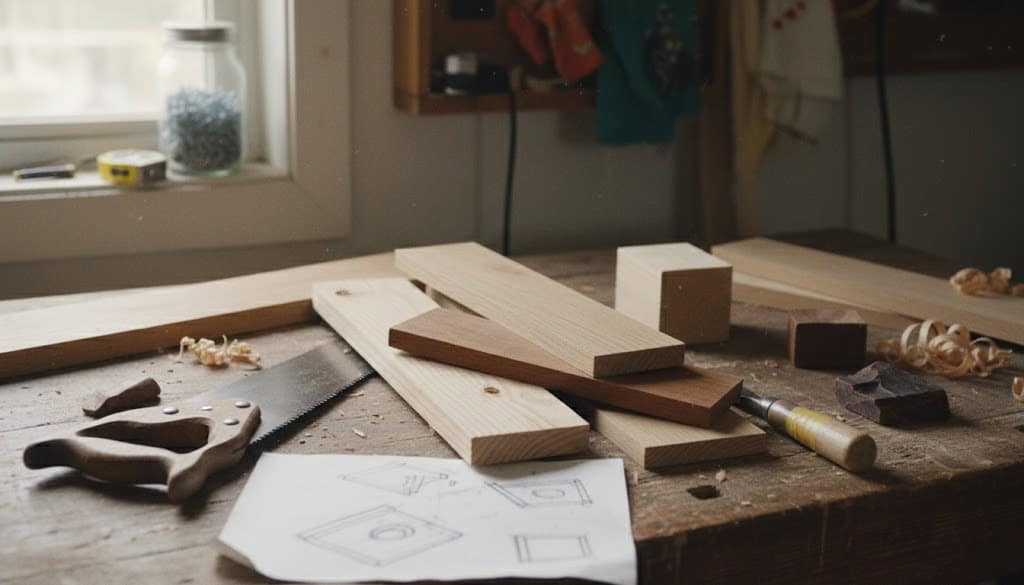
In this comprehensive guide, we’ll explore the most common wood types, explain the differences between hardwood and softwood, examine grain, durability, and workability, and help you match the right wood to furniture, décor, and small craft projects. We’ll also cover common beginner mistakes and practical sustainability tips so you can craft responsibly and confidently.
Understanding the Basics of Wood Types
Before selecting wood for any craft project, it’s important to understand how wood is categorized and what those categories mean in practical terms.
Hardwood vs Softwood: What’s the Difference?
Contrary to what many beginners assume, hardwood and softwood are not classified by how hard the wood feels. Instead, they are defined by the type of tree they come from.
- Hardwoods come from deciduous trees, which typically lose their leaves annually.
- Softwoods come from coniferous trees, which usually remain evergreen and produce cones.
Both types have strengths and weaknesses, and neither is inherently better—it all depends on your project.
Hardwood: Characteristics, Benefits, and Limitations
Hardwoods are often associated with high-end furniture, flooring, and detailed craftsmanship. Their density and appearance make them highly desirable, but they also come with challenges.
Key Properties of Hardwood
- Density and Strength: Hardwoods tend to be denser, making them more resistant to dents and wear.
- Grain Patterns: They often have rich, complex grain patterns that enhance visual appeal.
- Durability: Many hardwoods resist decay and last for generations.
- Workability: Due to their density, they can be harder to cut and shape, especially for beginners.
Common Types of Hardwood and Their Uses
Oak
Oak is one of the most widely used hardwoods.
- Grain: Prominent and open
- Durability: Very strong and long-lasting
- Best Uses: Furniture, cabinets, tables, flooring
Maple
Maple is known for its smooth texture and light color.
- Grain: Fine and uniform
- Durability: Hard and impact-resistant
- Best Uses: Cutting boards, desks, decorative items
Walnut
Walnut offers a luxurious dark tone.
- Grain: Straight with occasional waves
- Durability: Strong but workable
- Best Uses: High-end furniture, carvings, décor accents
Cherry
Cherry wood darkens beautifully over time.
- Grain: Smooth and subtle
- Durability: Moderately hard
- Best Uses: Furniture, jewelry boxes, fine crafts
When to Choose Hardwood
Hardwood is ideal when:
- Longevity is critical
- Visual appeal is a priority
- The piece will experience heavy use
- You’re creating heirloom-quality furniture
Softwood: Characteristics, Benefits, and Limitations
Softwoods are often overlooked by beginners who assume they are inferior. In reality, softwoods are incredibly versatile, affordable, and beginner-friendly.
Key Properties of Softwood
- Weight: Lighter and easier to handle
- Workability: Easier to cut, sand, and nail
- Cost: Generally more affordable than hardwoods
- Grain: Simpler and more uniform
Common Types of Softwood and Their Uses
Pine
Pine is one of the most popular woods for beginners.
- Grain: Straight with visible knots
- Durability: Moderate
- Best Uses: Shelving, rustic furniture, crafts
Cedar
Cedar is prized for its natural resistance to moisture and insects.
- Grain: Straight and even
- Durability: Excellent outdoors
- Best Uses: Outdoor furniture, décor, storage chests
Fir
Fir is strong for a softwood and widely available.
- Grain: Straight and consistent
- Durability: Good structural strength
- Best Uses: Framing, furniture bases, utility projects
Spruce
Spruce is lightweight and flexible.
- Grain: Straight and fine
- Durability: Moderate
- Best Uses: Craft projects, musical instruments, décor
When to Choose Softwood
Softwood is ideal when:
- You’re new to woodworking
- Budget is a concern
- The project is decorative or lightweight
- Ease of cutting and shaping matters
Understanding Wood Grain and Why It Matters
Wood grain plays a major role in both appearance and performance.
Types of Wood Grain
- Straight Grain: Easy to work with and predictable
- Interlocked Grain: Visually interesting but harder to cut
- Wavy or Curly Grain: Beautiful but challenging for beginners
- Open Grain: Visible pores (oak, ash)
- Closed Grain: Smooth surface (maple, cherry)
Grain Direction and Strength
Grain direction affects:
- Structural integrity
- Risk of splitting
- How wood reacts to moisture
- Final finish quality
Always align cuts and joints with the grain whenever possible to prevent cracking.
Choosing the Right Wood for Furniture Projects
Furniture must balance aesthetics, strength, and longevity.
Best Woods for Furniture
- Hardwoods like oak, maple, walnut, and cherry are ideal for tables, chairs, and cabinets.
- Softwoods like pine can work well for rustic or painted furniture.
Factors to Consider
- Load-bearing needs
- Exposure to moisture or sunlight
- Finish type (stain vs paint)
- Expected wear and tear
For example, a dining table benefits from hardwood durability, while a painted bookshelf may be perfectly suited to pine.
Choosing Wood for Home Décor Projects
Decorative items allow more flexibility and creativity.
Best Woods for Décor
- Pine and cedar for wall art and shelves
- Walnut and cherry for statement pieces
- Maple for minimalist or modern designs
Décor projects are an excellent way to experiment with different wood types without high risk.
Choosing Wood for Small Crafts and DIY Projects
Small crafts often prioritize ease of use and fine detail.
Best Woods for Small Crafts
- Basswood: Extremely soft and perfect for carving
- Birch: Affordable with a smooth finish
- Maple: Durable for small functional items
- Pine: Easy to find and work with
Small projects like jewelry boxes, toys, frames, and ornaments benefit from woods that cut cleanly and sand easily.
Common Beginner Mistakes When Choosing Wood
Even enthusiastic beginners can make avoidable errors.
Mistake 1: Choosing Wood Based on Appearance Alone
A beautiful grain doesn’t guarantee suitability. Always consider durability and application.
Mistake 2: Ignoring Moisture Content
Wood that isn’t properly dried can warp or crack after completion.
Mistake 3: Using Softwood for Heavy-Duty Furniture
Softwoods may dent or sag under weight if used incorrectly.
Mistake 4: Overlooking Grain Direction
Incorrect grain alignment weakens joints and causes splitting.
Mistake 5: Buying Low-Quality Lumber
Cheap wood with knots, cracks, or warping can ruin a project.
Sustainability Tips for Choosing Wood Responsibly
Responsible wood selection helps protect forests and ensures long-term availability.
Choose Certified Wood
Look for certifications such as:
- FSC (Forest Stewardship Council)
- PEFC (Programme for the Endorsement of Forest Certification)
These labels indicate sustainable harvesting practices.
Use Reclaimed or Recycled Wood
Reclaimed wood:
- Reduces waste
- Adds character
- Often comes from high-quality old-growth timber
Opt for Local Wood Species
Local woods reduce transportation emissions and often perform better in your climate.
Avoid Overusing Rare Hardwoods
Exotic hardwoods may be visually stunning but often come at a high environmental cost.
Matching Wood Choice to Skill Level
Your experience matters as much as the material.
Best Woods for Beginners
- Pine
- Poplar
- Basswood
- Fir
These woods are forgiving, affordable, and easy to shape.
Woods Better for Intermediate to Advanced Crafters
- Oak
- Maple
- Walnut
- Cherry
These woods reward skill but demand precision.
Finishing Considerations Based on Wood Type
Different woods react differently to finishes.
- Softwoods absorb stain unevenly; pre-conditioners help
- Hardwoods generally stain more evenly
- Closed-grain woods need less filler
- Open-grain woods benefit from grain filler for smooth finishes
Understanding this helps achieve professional results.
Final Thoughts
Choosing the right wood for different craft projects is both an art and a science. By understanding the differences between hardwood and softwood, recognizing grain patterns, evaluating durability, and matching wood to your project’s purpose, you set yourself up for success. Avoiding common beginner mistakes and embracing sustainable practices ensures not only better results but also responsible craftsmanship.
Whether you’re building a sturdy table, crafting decorative wall art, or carving a small keepsake, the right wood transforms your vision into a lasting creation. With knowledge, patience, and thoughtful selection, every project becomes an opportunity to grow your skills and appreciation for this timeless material.